The Impact of India’s Nationalist Policy on Domestic Political Stability and Territorial Integrity
In the modern era, nationalist sentiment in India has significantly intensified. In particular, representatives of the Bharatiya Janata Party (BJP), which retained power in the April–May 2024 elections, are actively contributing to the further strengthening of this nationalist mood. On one hand, the rise of this nationalist policy is bringing India closer to states that are implementing similar systems — such as the United States, many European countries, and Israel — thereby fostering stronger alliances.
Politics
30.06.2025, 11:38
Share:
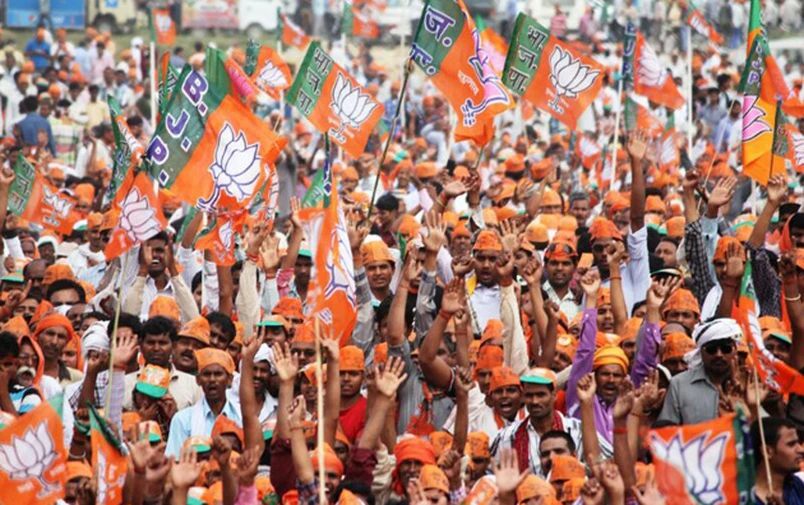
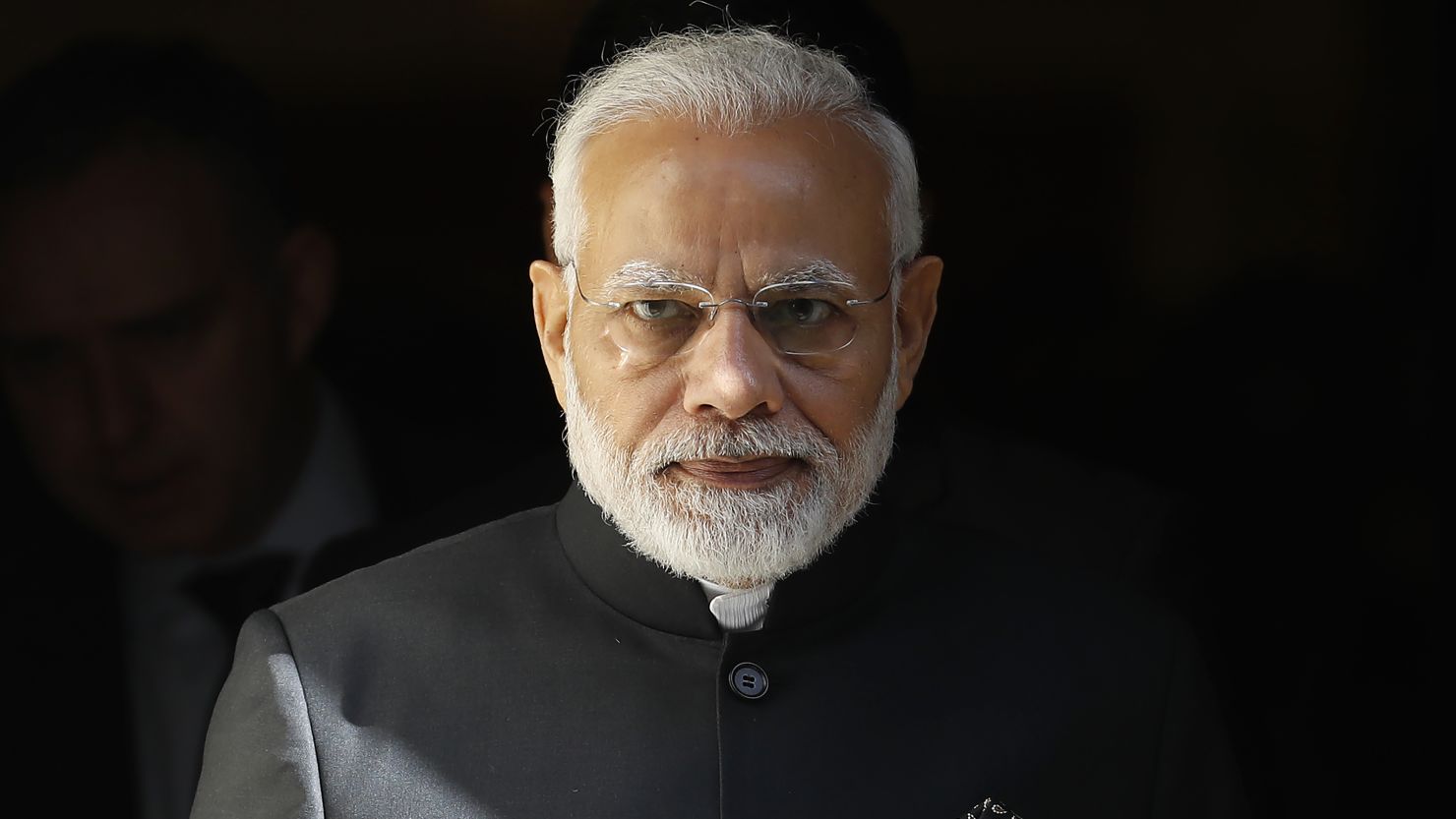
Photo: CNN/ Narendra Modi Prime Minister of India
However, this process may also be leading to a certain degree of instability in domestic politics. This is because the Modi government has been increasingly exerting pressure on various ethnic groups within the country, particularly on minority communities. For instance, the adoption of the draft law “On Waqf Lands” in April 2025, which could potentially restrict the rights of Muslim groups, or the fact that more than 60,000 local residents suffered from pressure and violence in the state of Manipur between 2023 and 2025, serve as clear examples of this tendency. As a result, dissatisfaction with the Modi government is growing among political and social circles, and this may even be contributing to the emergence of a threat of fragmentation within the country. The aforementioned ideas will be elaborated on through the following key arguments:
The Rise of the INDIA Alliance: A Warning Signal for the BJP
In recent years, the position of opposition parties in India's political arena has significantly strengthened. The results of the 2024 parliamentary elections clearly confirmed this trend: under the leadership of Rahul Gandhi, the Indian National Congress secured 240 seats within the INDIA alliance, while the BJP, led by Modi, managed to retain a majority with 293 seats in alliance with its partners. Although the BJP remained in power, the growing strength of the opposition bloc indicates a shift in the political balance. This became especially evident after the brief military clash between India and Pakistan concluded on May 10, 2025. Following this event, criticism of the government by the opposition intensified. During the Congress conference held on June 4, 2025, Rahul Gandhi accused the Modi administration of prematurely ending the war under pressure from the United States, effectively portraying it as a de facto surrender. These statements sparked widespread public debate across the country and contributed to a decline in public trust toward the BJP.
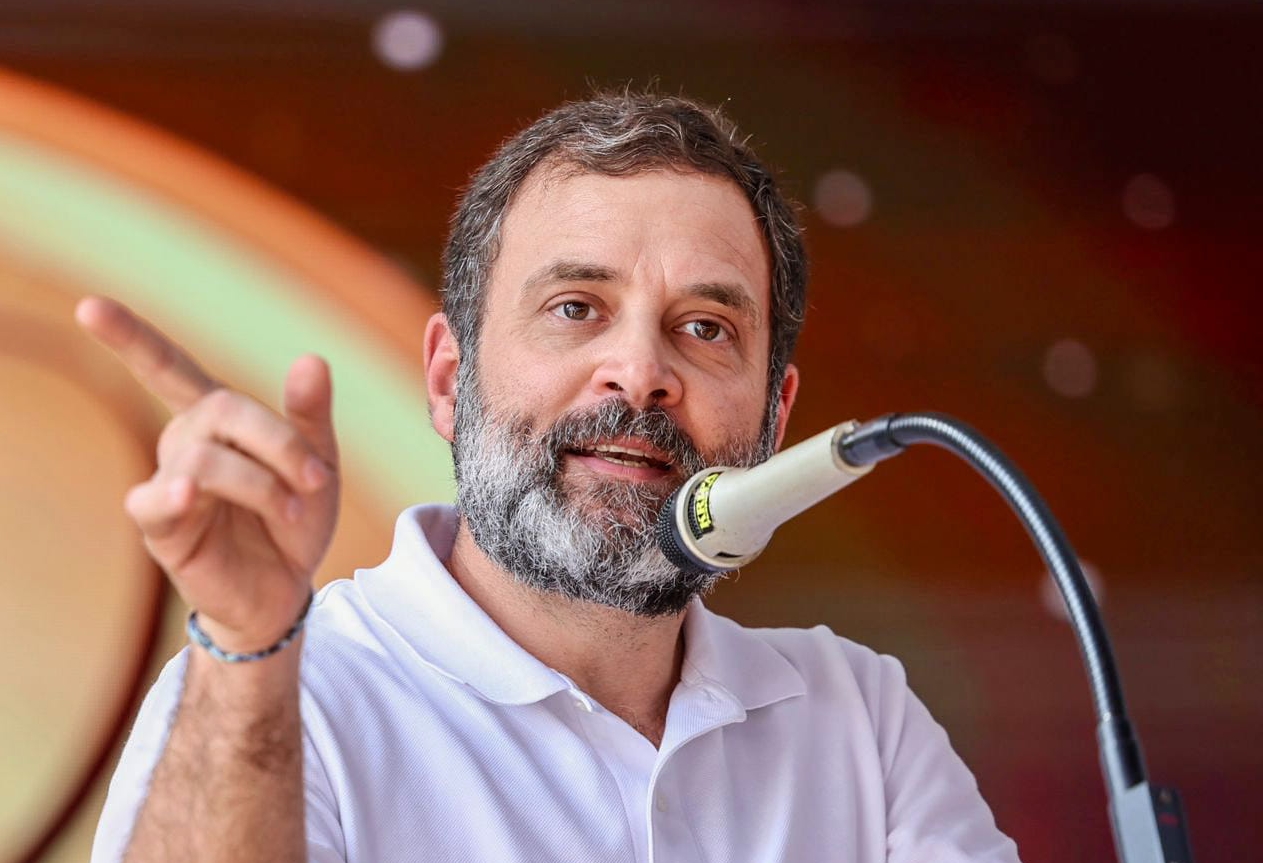
Photo: Nova News/ Rahul Gandhi One of the leaders of the Indian National Congress
Response to Nationalist Policies: Are the Sikhs Bringing Secession Back to the Agenda?
The movement of approximately 20 million Sikhs residing in the Punjab region of northern India is currently attracting global attention. This is especially due to the protest activities of the Sikh diaspora operating outside the country. These groups aim to establish an independent state called “Khalistan,” separate from India. The Modi government, in turn, is attempting to suppress these resistance movements through various means. In particular, on October 14, 2024, following a one-year investigation, the Royal Canadian Mounted Police identified the involvement of the Indian government in the killing of Sikh leader Hardeep Singh Nijjar in Canada. Furthermore, after an assassination attempt on October 18, 2024, targeting one of the leaders of the Sikh movement in the United States, Gurpatwant Singh Pannun, information surfaced regarding the involvement of individuals connected to the Indian side. However, these actions did not produce the intended result; rather, they further intensified the Sikhs’ calls for independence. As a consequence, in July 2024, a referendum was held in Calgary, Canada, with the participation of nearly 100,000 Sikhs. Another referendum took place on March 23, 2025, in Los Angeles, United States, involving around 35,000 Sikhs. The primary aim of these referendums was to oppose the pressure exerted by the Indian government on the Sikh diaspora and to advocate for the establishment of an independent Khalistan state. Another referendum is planned to take place in Washington, D.C., in August 2025, where the issue of secession from India is expected to be on the agenda. This development may pose yet another serious political challenge for the Modi government.
Following the TRF Movement in Jammu and Kashmir, the Modi Government Faces Domestic Criticism
The situation in the Jammu and Kashmir region holds significant importance for the Modi government not only in terms of maintaining internal stability, but also in shaping decisions in its foreign policy. Continuous clashes between government forces and members of resistance movements have turned the region into one of the most volatile areas in India. In particular, throughout 2024, armed confrontations in areas such as Poonch, Reasi, Kathua, and Doda resulted in the deaths of nearly 70 individuals. By 2025, activities of the Resistance Front (TRF), which had expanded its operations in the region, began to have a direct impact on relations between Pakistan and India.
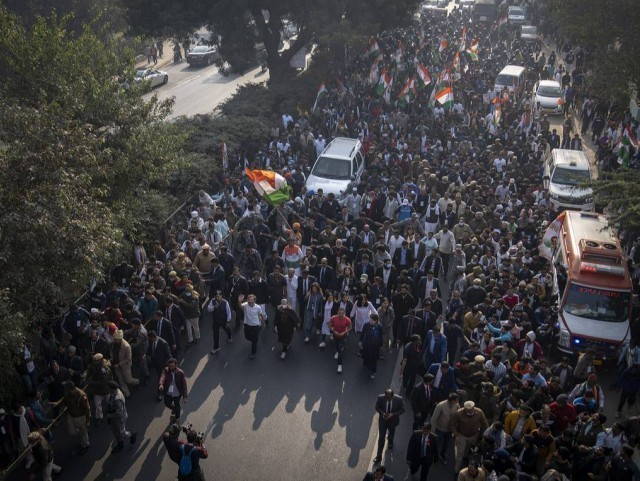
For example, on April 22, 2025, a TRF-organized attack in Pahalgam led to the deaths of 26 Indian tourists. Although the attack was carried out by the TRF, the Indian government held Pakistan responsible and decided to launch strikes on its major military bases. As a result, a short-term armed conflict broke out between the two countries following the launch of “Operation Sindoor” on May 7, 2025. The conflict concluded on May 10, 2025, with the signing of a ceasefire agreement between the two sides. Initially, the Modi government declared Operation Sindoor a major victory. However, after the conclusion of the war, the government came under criticism on several fronts. First, it was accused of failing to prevent Pakistan from supporting armed movements within India. Second, the country’s security system was criticized for not functioning effectively during the conflict. The tragedy in Pahalgam, in which civilians were killed, in particular, sparked widespread public dissatisfaction. These criticisms have increased doubts about the future success of the Modi government and the BJP in upcoming elections.
Tamil Dissent Movements: A Response to Cultural Policy
Historically, due to their distinct language and rich cultural heritage, the Tamil people have viewed themselves as a separate entity from the Indian state. Consequently, their dissent movements have primarily targeted the government's cultural policies. These protests intensified particularly after the widespread implementation of the "three-language policy," which the Tamil community denounced as a nationalist initiative aimed at undermining the status of the Tamil language. In addition, increased pressure on social media activists and the suspicious circumstances surrounding their deaths have further deepened public discontent. For instance, the killing of prominent social activist Jabagar on January 17, 2025, sparked widespread outrage against the government across social media platforms. This wave of dissent grew stronger following a dispute on February 21, 2025, between Tamil Nadu Chief Minister M.K. Stalin and members of the BJP. As a result, calls for Prime Minister Narendra Modi’s resignation began circulating across Tamil social media networks. The tensions between the parties have yet to subside. Notably, on June 21, 2025, a confrontation in the Dindigul region between members of the BJP, the Communist Party of India (Marxist) — CPM — and the Munnani movement resulted in injuries to approximately 15 individuals. Against this backdrop, demands for secession from India are gaining increasing momentum. One of the most symbolically significant moves in this direction occurred in March 2025, when Chief Minister M.K. Stalin announced a decision to replace the official Indian rupee symbol “₹” with the Tamil script symbol “ரூ” in the state budget logo and to introduce it into official use. This decision was a deliberate effort to promote ideas of linguistic, cultural, and political autonomy for the state. Within this broader context, the Modi government’s political influence in Tamil Nadu appears to be gradually weakening.
The Maoist Crisis: Balancing Security and Human Rights
The Maoist movement, widely regarded as one of the greatest threats to India’s internal stability, has suffered significant losses in recent years under the government’s intensified military and security pressure. Between 2021 and 2024, 669 guerrilla clashes occurred, resulting in the deaths of more than 1,500 individuals, including both military personnel and civilians. On May 21, 2025, during a special military operation, Maoist leader Nambala Keshava Rao — known by the alias “Basavaraj” — was killed. The BJP government interpreted this event as a major turning point in the fight against Maoist insurgency, and India’s Home Minister Amit Shah pledged to fully eliminate the movement by March 1, 2026. However, international organizations have focused less on this declared victory and more on the democratic violations that occurred throughout the campaign. Specifically, the government’s policy of placing cash bounties on the heads of Maoists has, in practice, led to a dramatic increase in the number of extrajudicial killings and acts of coercion. This has provoked strong condemnation from human rights organizations. For instance, according to a report by the People’s Union for Civil Liberties (PUCL), by May 2025, 103 individuals suspected of being “Maoists” had been killed, the majority of whom were in fact ordinary civilians. This situation has drawn considerable international criticism toward the policies of the BJP government and has intensified doubts regarding India’s standing as “the world’s largest democracy.”
Resistance in Assam: A Potential Internal Crisis for the Modi Government
Assam, located in the northeastern part of India, is considered a strategically significant region. In recent years, the activities of the United Liberation Front of Assam–Independent (ULFA-I), operating in this area, have intensified, raising concerns for the BJP-led central government. The group's primary objective is to secede from India and establish an independent state. As of 2025, the ULFA faction led by Paresh Baruah is reported to have around 250 armed fighters stationed across four military bases in Myanmar. The organization maintains close cooperation with other regional groups such as NSCN, CorCom, NLFT, KYKL, and PLA. Of particular concern to the central government is ULFA's increasing activity along the Bangladesh border. Despite various countermeasures taken against ULFA, the group’s operations have shown no signs of declining. In August 2024, the group publicly claimed to have planted 24 bombs across Assam on the eve of Independence Day. It also took responsibility for several attacks carried out in January and February 2025. One of the major underlying causes of the growing resistance in Assam remains ethnic tensions. In particular, the deportation of nearly 150 migrants to Bangladesh and Myanmar in May 2025 not only exacerbated the local ethnic climate but also negatively impacted India’s diplomatic relations with its neighboring countries. This situation may place the Modi government in a significant dilemma. If tensions in Assam continue to escalate and further strain relations with neighboring states, regional peace and stability may come under serious threat. In turn, this could trigger a broader political crisis for the Modi administration.
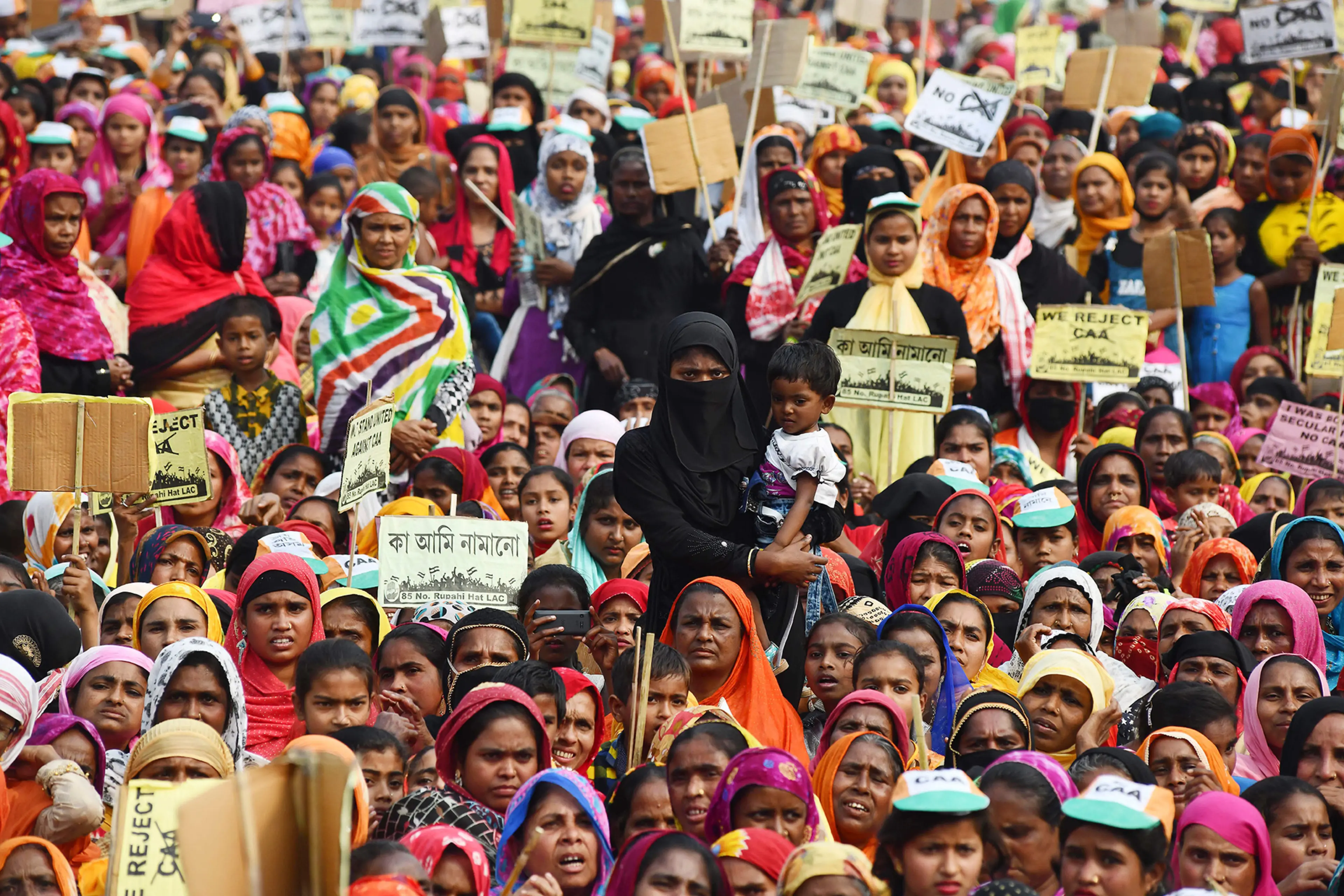
Photo: Muslims of India
Overall, while the ruling Bharatiya Janata Party (BJP) in India currently seeks to unify the country through its nationalist policies, it appears that these very policies are contributing to an increased risk of internal fragmentation. The growing pressure on numerous smaller ethnic groups across the country has led to greater cohesion among these communities and a resurgence of resistance movements. This trend is not limited to isolated regions but is increasingly evident across multiple states — including Jammu and Kashmir, Assam, Manipur, and Tamil Nadu. As a result, India’s internal stability is deteriorating, with negative repercussions for its foreign policy as well. Specifically, the situation in Kashmir has escalated tensions with Pakistan, while resistance movements in Assam and Manipur have strained relations with Bangladesh and Myanmar. Against the backdrop of this instability, opposition parties have become more active and vocal in their criticism of the Modi government. The growing influence of the opposition, combined with increasing public distrust toward BJP policies, is casting doubt on the party’s prospects in future elections. Moreover, the use of military force and undemocratic methods to suppress resistance movements has drawn criticism from the international community. Despite certain political gains, it is becoming increasingly evident that the BJP government under the leadership of Narendra Modi will face serious political challenges in the near future amid mounting pressure and both domestic and international scrutiny.
Sanjarbek Tilavoldiyev.
University of World Economy and Diplomacy / Institute for Advanced International Studies
Politics
30.06.2025, 11:38
Share:
Popular news

Uzbekistani woman dies in Istanbul from medication poisoning
Uzbekistan
24.09.2026, 16:53

Uzbekistan to Increase Prize Money for Chess Players
Economy
23.09.2026, 11:52

"Uzbek" in headlines: How are crimes abroad affecting Uzbekistan's image?
Uzbekistan
08.10.2026, 14:31

Most delegations walked out of the UN hall during Netanyahu's speech
World
25.09.2026, 11:36

Uzbekistan to Host Major UN Congress in 2031
Politics
29.09.2026, 11:23

The Sirojiddin Odilov case: why do citizens turn to bloggers for help?
Uzbekistan
07.10.2026, 18:38
Latest news

Zelenskyy: Kyiv is ready for a ceasefire
Politics
22.10.2026, 17:53

Kazakhstan to undertake major military reforms after Caspian tragedy
World
22.10.2026, 11:12

Uzbekistan signs law to improve the Uzbek latin alphabet
Education
21.10.2026, 14:48

Kazakhstan drops criminal case against rapper Navai and deports him
Cultural
21.10.2026, 14:21

Nearly 1 Billion Children Experience Violence Every Year Worldwide — WHO
World
20.10.2026, 16:40

Uzbekistan and the United States Sign 54 Agreements Worth $12 Billion
Economy
20.10.2026, 10:27

Uzbekistan establishes special procedure for prosecuting officials with immunity
Uzbekistan
17.10.2026, 14:01

Who Could Replace Netanyahu? What Israel’s Opposition Leaders Stand For
Politics
17.10.2026, 10:37

Uzbekistan Increases Fines for Underage Marriages and Religious Ceremonies
Uzbekistan
15.10.2026, 16:35

Turkish Rapper Lvbel C5 Ordered to Study Turkish Literature
World
15.10.2026, 14:52

Ukraine Restricts Starlink Operations — Musk Responds
World
15.10.2026, 11:18

Are EV prices about to rise?
Economy
14.10.2026, 16:59

Trump Warns of Further Action Against Iran
World
14.10.2026, 15:25

37 detained during protests over new school uniform rules in Azerbaijan
World
13.10.2026, 11:48

Al-Nassr Beat Neftchi 3–1 as Ronaldo Gets on the Scoresheet
Sport
13.10.2026, 09:58

Diplomat Says Ukraine Could Be Divided
World
13.10.2026, 09:19

The most discontented generation
Cultural
12.10.2026, 10:05

US proposes fees of up to $100,000 for international students seeking practical training
World
08.10.2026, 14:43
"Uzbek" in headlines: How are crimes abroad affecting Uzbekistan's image?
Uzbekistan
08.10.2026, 14:31

Turkey May Establish Military Base in Saudi Arabia
World
08.10.2026, 08:45
Popular news
Uzbekistani woman dies in Istanbul from medication poisoning
Uzbekistan
24.09.2026, 16:53
Uzbekistan to Increase Prize Money for Chess Players
Economy
23.09.2026, 11:52
"Uzbek" in headlines: How are crimes abroad affecting Uzbekistan's image?
Uzbekistan
08.10.2026, 14:31
Most delegations walked out of the UN hall during Netanyahu's speech
World
25.09.2026, 11:36
Uzbekistan to Host Major UN Congress in 2031
Politics
29.09.2026, 11:23
The Sirojiddin Odilov case: why do citizens turn to bloggers for help?
Uzbekistan
07.10.2026, 18:38