The Influence of Power Polarization on Global Politics
International relations are currently being shaped by several changes presenting a challenge for policymakers to understand and take measures. The development of world politics is going beyond stability and evolving more chaotically, especially with the return of the Trump administration to the Oval Office. Some changes include the shift of technology to non-traditional centers, the ever-rising gap between ultra-right and ultra-left parties, and the elite struggle, championed by great powers like the US and Russia.
Politics
24.04.2025, 15:36
Share:
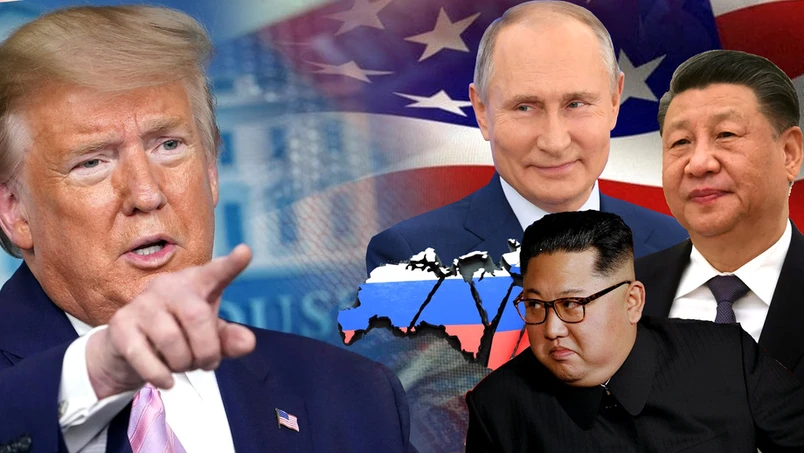
1. The Rise of Non-Traditional Technological Hubs.
The global tech ecosystem of 2025 is shifting towards the centers that initially were the consumers of Silicon Valley. A tectonic shift is underway as nations like China, India, Vietnam, and Brazil are emerging as hubs of innovation, driven by strategic investments, geopolitical changes, and local technological ecosystems. China has solidified its position as a very strong competitor in quantum, AI, biotech, material science and many other critical technologies. By focusing on state-sponsored initiatives which include quantum-resistant cryptography and CRISPR gene therapy, the country is redefining global standards in healthcare and cybersecurity. India's technology sector, boosted by AI agent startup development and semiconductor manufacturing, is attracting $1B+ investments in defense and space technology, with Stoke Space and Hadrian among the companies leading this development. Vietnam also has become a critical node in the semiconductor value chain with manufacturing facilities for companies diversifying away from China due to geopolitical tensions.

The emergence of "private cloud" and hybrid computing is a part of the broader trend of regional specialization. Brazil, for instance, is leveraging its Amazonian resources to spearhead the creation of sustainable AI data centers powered by renewable energy by global climate targets. Similarly, African nations are adopting decentralized digital infrastructure, such as blockchain-based governance frameworks, to escape inherited colonial frameworks. These hubs will highly likely challenge Western-led hubs that are in a leading position in tech governance and intellectual property by 2030. Yet, threats loom: undue reliance on state control (evidenced in China's models of AI regulation) and brain drain from rising economies can throttle long-term expansion.
2. The Widening Gap Between Ultra-Right and Ultra-Left in Global Politics.
Political polarization has reached a peaking point in 2025 as populist forces in the Americas and Europe strengthened ideological contrasts and eroded international coalitions. Global politics which has been governed by administrations prioritizing democratic values over a number of decades, is now being challenged by parties putting the national interests of the country first.
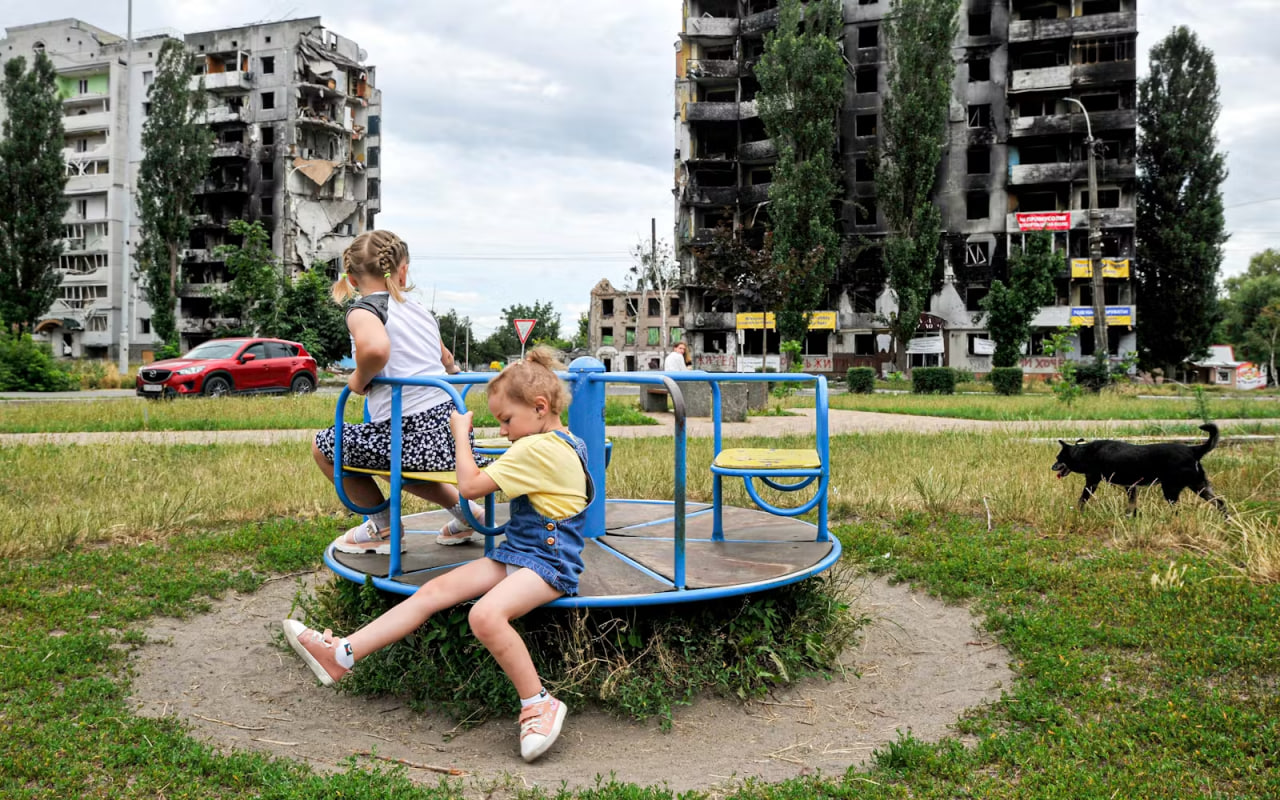
Children in the war-torn city of Borodyanka, Ukraine, play near an apartment building that was destroyed by Russian shelling. Since 2022, the war in Ukraine has been escalating. Photo: Sergei Chuzavkov/SOPA Images/LightRocket via Getty Images
At the EU level, ultra-right forces like Germany's "Alternative for Germany" and France's "National Rally" have gained ground by advocating for resistance against climate and immigration policies as elitist measures ignore the problems of the working class. Far-left coalitions in Spain and Greece campaign on radical wealth redistribution and anti-austerity measures, generating legislative gridlock. This polarization has paralyzed EU-wide responses to crises like the Ukraine war and the Mediterranean flows of refugees.
On a global level, the executive orders and measures taken by the Trump administration since the inauguration are reshaping international relations dramatically. The decisions regarding their withdrawal or limited participation in international organizations and agreements have destabilized the unity of ultra-right administrations and given the chance for ultra-right parties to enlarge their influence. Some of the examples include the 2025 travel ban targeting largely Muslim and African countries, continuing the nationalist, isolationist agenda.
As a result, the Pan-American unity, led by progressive movements within Mexico and Colombia, is placed in opposition against Argentina and Chilean right-wing governments on drugs and trade issues. Such polarization dismantles multilateral institutions. UN climate negotiations at COP30 in Brazil might stall as right-wing forces deny emissions targets and left-wing forces demand reparations for past ecological debt. Dissolution of centrist consensus may splinter world governance into competitive blocs. This gap between ultra-left and ultra-right parties makes world politics an extremely unprecedented and dangerous place. The term "the golden middle" which is a cornerstone of peace and prosperity, is being eroded by this clash. If this gap continues to widen, it will result in conflicts of a global scale, potentially leading to world wars or clash of civilizations.
3.Conflicts of the Elite Class.
There is a new sort of class conflict on the horizon, not on Marxist grounds of proletariat and bourgeoisie, but as a conflict between disillusioned publics and transnational elites. This can best be observed in the current U.S. foreign policy led by Dondald J. Trump.
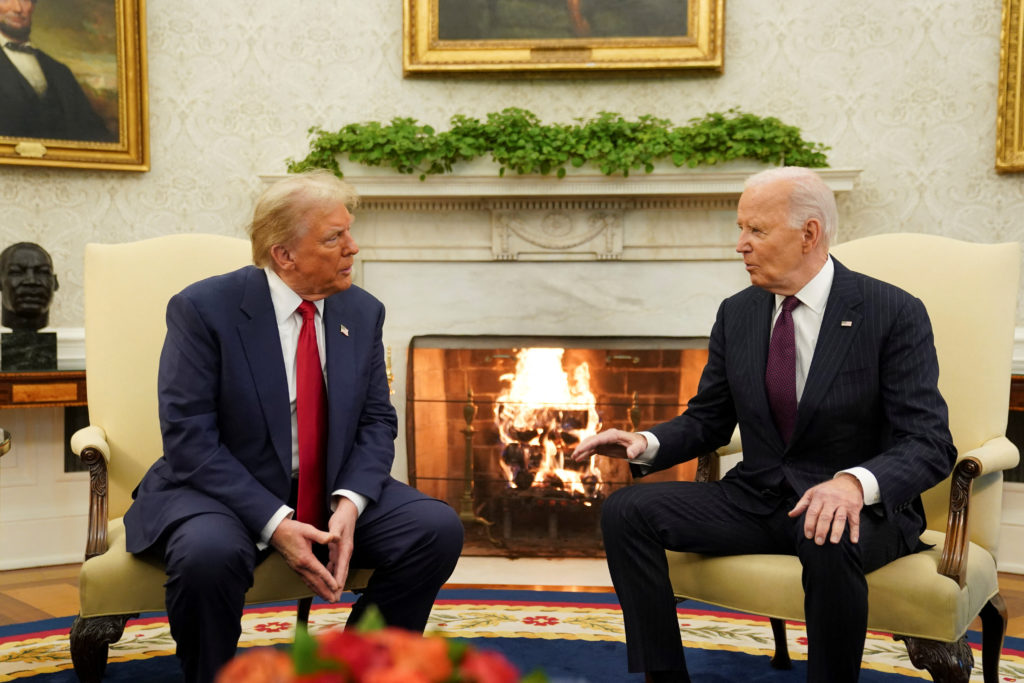
Unlike Joe Biden, who practically ruined the contacts with "big players" of the world and gave an opportunity for them to become deciding elites, Donald Trump is now bringing the elite status back to himself by dealing successfully with authoritarian elites and putting his interests first.
Trump claims to be the commander-in-chief of the world and a peacemaker by showing his negotiation skills in practice. Some of the successes that he has made so far, includes steps for normalization of relationships with Russia, precisely through good relations with Vladimir Putin, after 4 years of pause in bilateral relations.
Secondly, the relationship between him and a leader of DPRK Kim Jong Un, is also the case to consider. This relationship is characterized by unprecedented personal diplomacy, including mutual flattery, symbolic gestures and high-profile summits. As a result of his personal diplomacy, Trump manages, at least to a lesser extent, to soften the aggressive nature of Kim Jong-un's policy and find a common language with him.
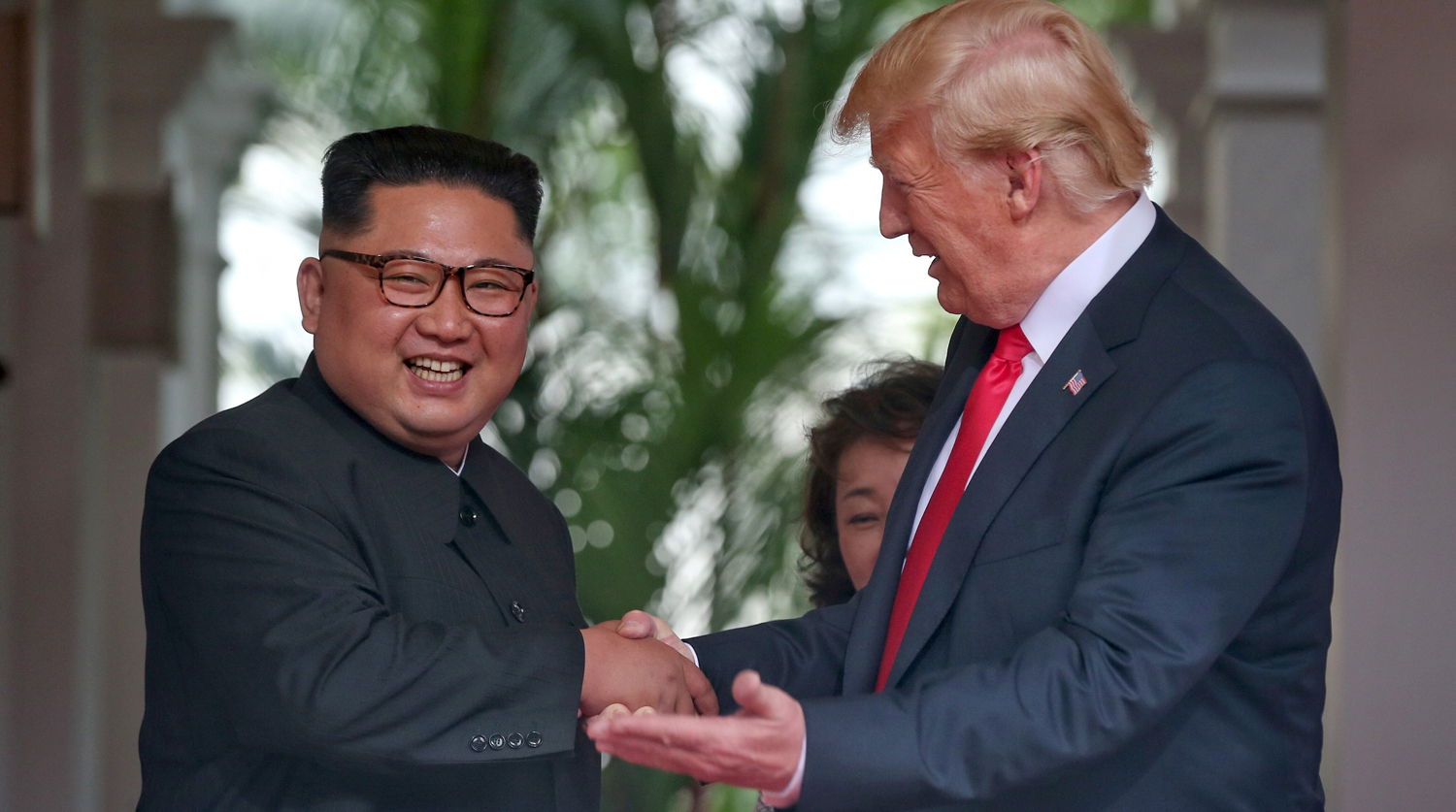
Foto: Kevin Lim/The Straits Times via Reuter
A world, which is marked by fragmentation and competing power centers is revealed by the interplay of polycentricity and polarization in contemporary international relations. Firstly, the rise of non-traditional technological hubs including China’s dominance in quantum computing, India’s AI startups, and Brazil’s sustainable data centers presents a challenge for Western hegemony. Secondly, the widening divide between ultra-right and ultra-left parties is seen as a factor to destabilize multilateralism, which is evident in the EU’s misfunctioning and Trump’s nationalist policies. Finally, the elite struggle shaped by Trump’s transactional diplomacy in relations with Vladimir Putin and Kim Jong Un emphasizes a clash between populist leaders and transnational elites, where the former ones favor personal friendship over the interests of their countries. Consequently, a volatile environment, consisting of technological decentralization, ideological extremism, and elite struggle, is shaped, threatening to disentangle global governance.
Masharipov Miraziz
Junior Research Fellow at the Institute for
Advanced International Studies
Popular news

Uzbekistani woman dies in Istanbul from medication poisoning
Uzbekistan
24.09.2026, 16:53

Uzbekistan to Increase Prize Money for Chess Players
Economy
23.09.2026, 11:52

"Uzbek" in headlines: How are crimes abroad affecting Uzbekistan's image?
Uzbekistan
08.10.2026, 14:31

Most delegations walked out of the UN hall during Netanyahu's speech
World
25.09.2026, 11:36

Uzbekistan to Host Major UN Congress in 2031
Politics
29.09.2026, 11:23

The Sirojiddin Odilov case: why do citizens turn to bloggers for help?
Uzbekistan
07.10.2026, 18:38
Latest news

Uzbekistan signs law to improve the Uzbek latin alphabet
Education
21.10.2026, 14:48

Kazakhstan drops criminal case against rapper Navai and deports him
Cultural
21.10.2026, 14:21

Nearly 1 Billion Children Experience Violence Every Year Worldwide — WHO
World
20.10.2026, 16:40

Uzbekistan and the United States Sign 54 Agreements Worth $12 Billion
Economy
20.10.2026, 10:27

Uzbekistan establishes special procedure for prosecuting officials with immunity
Uzbekistan
17.10.2026, 14:01

Who Could Replace Netanyahu? What Israel’s Opposition Leaders Stand For
Politics
17.10.2026, 10:37

Uzbekistan Increases Fines for Underage Marriages and Religious Ceremonies
Uzbekistan
15.10.2026, 16:35

Turkish Rapper Lvbel C5 Ordered to Study Turkish Literature
World
15.10.2026, 14:52

Ukraine Restricts Starlink Operations — Musk Responds
World
15.10.2026, 11:18

Are EV prices about to rise?
Economy
14.10.2026, 16:59

Trump Warns of Further Action Against Iran
World
14.10.2026, 15:25

37 detained during protests over new school uniform rules in Azerbaijan
World
13.10.2026, 11:48

Al-Nassr Beat Neftchi 3–1 as Ronaldo Gets on the Scoresheet
Sport
13.10.2026, 09:58

Diplomat Says Ukraine Could Be Divided
World
13.10.2026, 09:19

The most discontented generation
Cultural
12.10.2026, 10:05

US proposes fees of up to $100,000 for international students seeking practical training
World
08.10.2026, 14:43
"Uzbek" in headlines: How are crimes abroad affecting Uzbekistan's image?
Uzbekistan
08.10.2026, 14:31

Turkey May Establish Military Base in Saudi Arabia
World
08.10.2026, 08:45
The Sirojiddin Odilov case: why do citizens turn to bloggers for help?
Uzbekistan
07.10.2026, 18:38

A major international human rights conference is underway in Warsaw
World
07.10.2026, 17:42
Popular news
Uzbekistani woman dies in Istanbul from medication poisoning
Uzbekistan
24.09.2026, 16:53
Uzbekistan to Increase Prize Money for Chess Players
Economy
23.09.2026, 11:52
"Uzbek" in headlines: How are crimes abroad affecting Uzbekistan's image?
Uzbekistan
08.10.2026, 14:31
Most delegations walked out of the UN hall during Netanyahu's speech
World
25.09.2026, 11:36
Uzbekistan to Host Major UN Congress in 2031
Politics
29.09.2026, 11:23
The Sirojiddin Odilov case: why do citizens turn to bloggers for help?
Uzbekistan
07.10.2026, 18:38